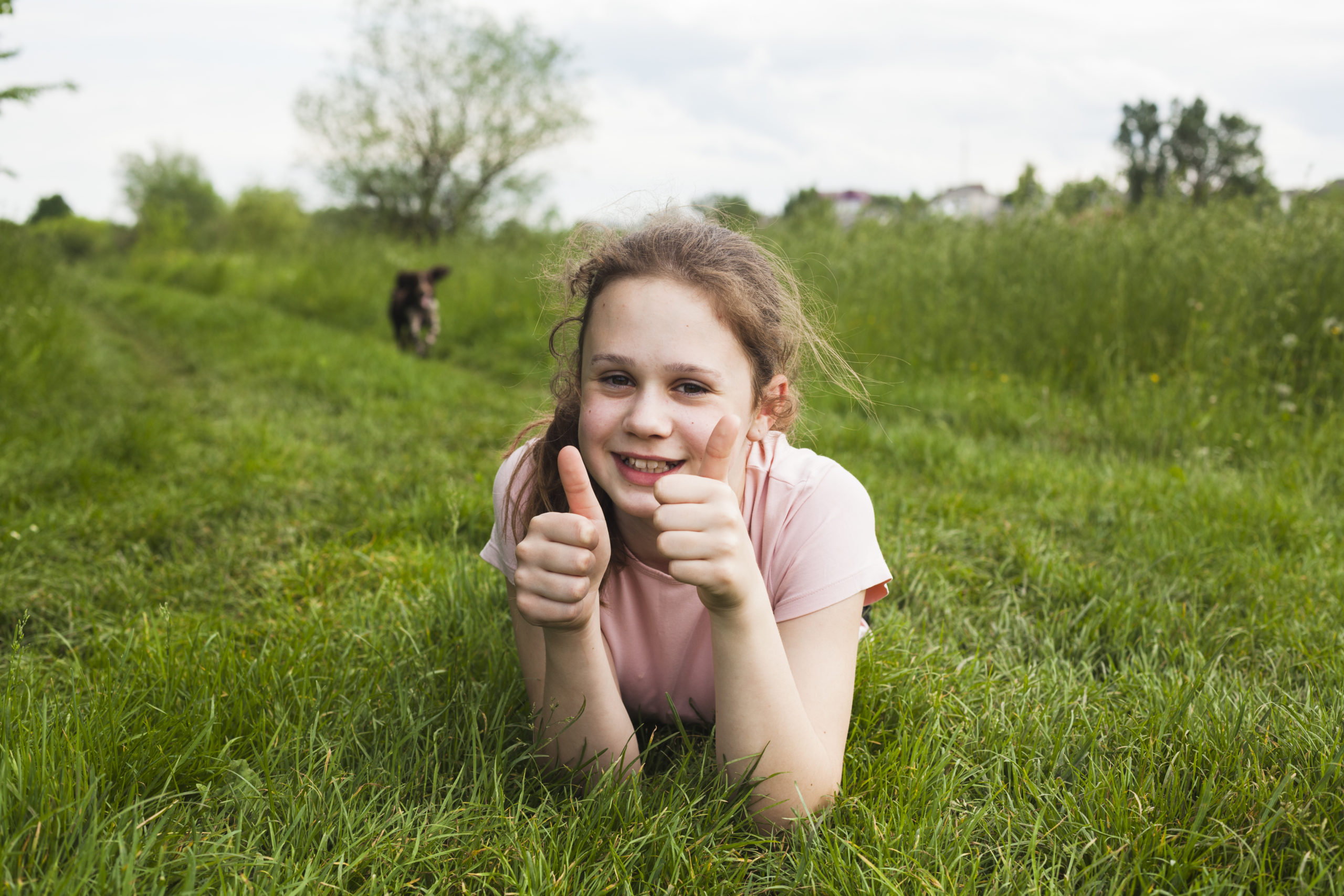
In today’s world, where many children spend long hours indoors — whether at school, at home, or engaged in screen-based activities — the simple gifts of fresh air and sunshine are more valuable than ever. Outdoor time is not just a pleasant break; it is a powerful contributor to children’s physical health, emotional well-being, cognitive development, and resilience. By understanding these benefits, parents and teachers can work together to ensure that every child has regular opportunities to thrive outdoors.
Fresh air is essential for children’s physical development. When children spend time outdoors, they breathe in cleaner, more oxygen-rich air compared to indoor environments. This helps their lungs grow stronger and supports healthy respiratory function. Good oxygen flow also nourishes the brain, improving concentration, alertness, and readiness to learn.
Studies consistently show that even short outdoor breaks during the school day can help children return to the classroom calmer and more focused. Parents can also support this by encouraging outdoor play after school, helping children unwind, reset, and prepare for evening routines or homework.
Sunshine is one of the most important natural sources of vitamin D — a nutrient crucial for the development of strong bones, proper immune function, and overall growth. Many children today are at risk of low vitamin D levels due to increased indoor time, but regular, safe exposure to sunlight can help prevent deficiencies.
In addition to vitamin D, sunlight plays a key role in regulating children’s internal clocks, improving sleep quality and supporting a healthy daily rhythm. Well-rested children are more emotionally resilient, more attentive, and better equipped to cope with challenges.
Outdoor environments give children the freedom to move in ways that indoor spaces rarely allow. Running, climbing, hopping, balancing, and exploring are all forms of natural exercise that help develop strong muscles, healthy bones, and good coordination.
Physical activity outdoors also encourages healthy habits that can last a lifetime. When children enjoy being active outside, they are more likely to grow into adults who value movement, fitness, and time spent in nature.
For teachers, incorporating outdoor learning or movement breaks throughout the school day can significantly improve classroom climate, reduce restlessness, and enhance engagement.
Nature has an extraordinary ability to calm and replenish the mind. Outdoor spaces provide sensory experiences that reduce stress and support emotional balance — the feel of the wind, the sound of birds, the warmth of the sun, the movement of trees.
Exposure to nature has been linked to improved attention, reduced anxiety, and greater emotional clarity in children. Outdoor time gives young minds the chance to relax, wander, and think freely. It encourages creativity and imaginative play, which are essential for cognitive and emotional development.
Teachers can use outdoor spaces as extensions of the classroom, giving students opportunities to explore concepts more deeply, observe the world firsthand, or engage in collaborative problem-solving activities.
Outdoor play naturally presents children with small, manageable challenges: climbing a new structure, navigating uneven ground, or trying an activity that feels slightly outside their comfort zone. These experiences teach children to assess risks, adapt to new situations, and keep trying even when something feels difficult.
Each time a child overcomes a small challenge, they build confidence. Over time, these moments accumulate, strengthening their resilience and helping them develop a healthy sense of independence. This emotional skill set — perseverance, courage, problem-solving, and self-trust — is crucial for coping with setbacks both inside and outside the classroom.
Parents and teachers can nurture resilience by encouraging exploration, offering gentle guidance, and celebrating effort rather than perfection.
Fresh air and sunlight have direct effects on children’s mood. Natural light helps regulate mood-related hormones, promoting feelings of happiness and calm. Outdoor play also gives children an outlet for releasing energy and emotions, which can help reduce stress, frustration, and restlessness.
Children who spend more time outdoors often show improved emotional regulation, stronger social relationships, and a more positive outlook. Group play in nature also helps children learn important social skills such as cooperation, communication, and empathy.
Nature is one of the richest learning environments a child can experience. Every outdoor space — from a local park to the school playground — is filled with opportunities for discovery. Children can observe insects, explore textures, notice patterns, experiment with movement, or ask questions sparked by the world around them.
Outdoor learning encourages children to explore with all their senses, deepening understanding and supporting hands-on learning. Parents and teachers can nurture this curiosity through nature walks, outdoor science activities, gardening, or simply allowing space for free exploration.
By prioritizing outdoor time, parents and teachers give children more than just a break from indoor routines — they offer a foundation for lifelong health, confidence, and joy. Even small steps, such as regular recess, outdoor lessons, family outings, or daily walks, can have a lasting impact.
Fresh air and sunshine are simple, natural, and powerful. When adults make room for these experiences, children benefit physically, mentally, emotionally, and socially. In a fast-paced, digitally focused world, time outside is not just refreshing — it is essential.