by Luke Ward, Royal College of Surgeons in Ireland
When school feels impossible
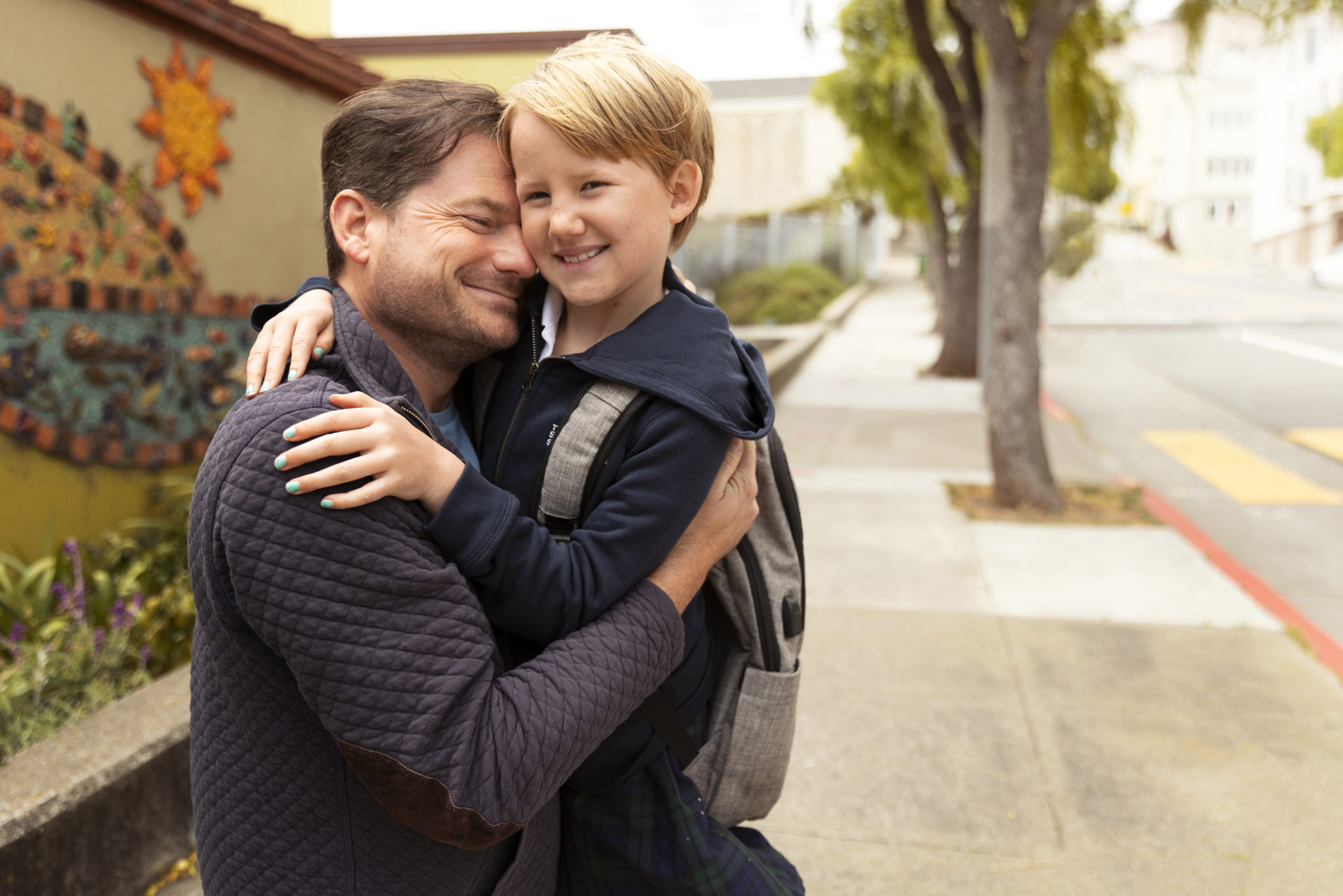
For most children, school is a place to learn, play, and grow. But for some, even the thought of walking through the gate brings on crippling anxiety – stomach aches, panic, tears, or silent withdrawal. This distress affects more families than we might realise and can lead to children outright refusing to attend.
In many cases, these young people are bright, sensitive, and sometimes neurodivergent -particularly on the autism spectrum or experiencing ADHD – whose nervous systems can become overwhelmed by the social noise, unpredictability, and sensory demands of a typical classroom. Such behaviours are not an act of defiance or laziness but rather an expression of their struggle to cope. Children who refuse school are communicating distress, not staging a rebellion.
Seeing through their eyes
Imagine being nine years old and waking each morning with a racing heart, worrying about what will happen at breaktime, whether you’ll fit into a group, or how you’ll manage the intense lights and overwhelming sounds. For some children, everyday uncertainty can feel magnified—a storm of sensory and social pressure. Often, parents experience immense guilt and helplessness while teachers struggle to know the next step.
Dr Malie Coyne’s compassionate model encourages adults to start from curiosity rather than control: to ask what might my child’s anxiety be trying to tell me? Taking a “love in, love out” approach means first responding to our own worry with self compassion – you can’t pour from an empty cup. Then meeting the child with calm empathy. Helping them to feel heard, believed and validated is the foundation for healing.
Why belonging matters
Research across psychology points to belonging as one of the most powerful buffers against stress and dropout. Classic studies (Baumeister & Leary) and more recent educational work by Prof. Jolanta Burke show that when children feel accepted and connected – to peers, teachers, and community – their wellbeing, motivation, and attendance all rise.
Burke’s field of Applied Positive School Psychology highlights the “relational soil” of every classroom. When kindness, gratitude, and empathy are part of the daily routine, everyone benefits. Acts of kindness have been shown to raise mood, boost immune function, and enhance purpose for both giver and receiver. One largescale study led by Professor Sonja Lyubomirsky found that even small prosocial gestures, like including others in a game or offering help, increased happiness and reduced loneliness in children.
For a student paralysed by anxiety, a single inclusive moment – a smile, a welcome, being invited to join a group – can quite literally change the trajectory of a day.
The ripple effect of kindness
Positive psychology research consistently finds that prosocial behaviour sparks a reinforcing loop: doing good feels good, releases oxytocin, lowers cortisol, and builds trust. For a child who reaches out to a struggling peer, the gain is a stronger sense of empathy and leadership. For the child on the receiving end, the emotional impact can be transformative.
Think of belonging as a shared human vitamin: everyone’s system works better when it’s present.
Building empathy at every age
Helping children practise inclusion doesn’t require grand gestures – just small, ageappropriate nudges toward compassion.
- Primary schoolers: Encourage your child to imagine what it’s like for a classmate who often stays home or sits alone. Ask, “How would you feel in their shoes?” Simple actions – inviting them to play, sharing supplies, greeting them warmly – can make a huge difference.
- Preteens: At this selfconscious stage, empathy might look like quietly saying, “Do you want to join in?” or offering to sit together for lunch. Inclusion can be as subtle as saving a space in line.
- Teenagers: Adolescence is a world of social hierarchies and heightened selfawareness. Gestures that make a real difference could be as simple as to greet someone with a genuine smile and a nod in passing. Saying “hello”. Saying hello and their name even. Ask them about an interest of theirs in a non-judgemental way. Even small acts of kindness can be enough to help such children to get over the line and into school each day.
Parents as wellbeing architects
School refusal places stress on the whole household. Combining positive psychology (PP) with lifestylemedicine habits can help families protect their collective emotional health.
- Create calm routines: Predictability lowers anxiety—for parent and child. Prioritise consistent sleep, nutritious breakfasts, and morning rituals that create a sense of safety.
- Model selfcare: Children mirror our regulation. Breathing together for one minute before leaving the house can reset everyone’s stress system.
- Focus on strengths: Noticing effort, humour, or creativity builds selfefficacy. Celebrate small wins rather than focusing on attendance charts.
- Encourage physical activity and time outdoors: Movement and exposure to natural light help balance mood hormones and lower schoolrelated anxiety.
- Protect from the vortex: Mobile phones can quickly suck children into comparison, distraction, and negative selfbelief. Keeping techfree windows – before school, at mealtimes, and before bed – protects mental clarity.
Lifestyle medicine shows that movement, nutrition, sleep, and connection act like building blocks for resilience: when the body is steady, the mind copes better.
What schools can do
Positive education models derived from Positivie Psychology research offer practical tools:
- Teach strengths recognition as part of the curriculum.
- Build “belonging breaks” into timetables – twominute checkins where children note who they interacted with and how they helped someone.
- Support teachers’ wellbeing; calm adults create calm classrooms (Burke, 2021).
- Follow Dr Coyne’s compassionate guidance by developing safe spaces and gradual reintegration plans, especially for neurodivergent pupils sensitive to sensory overload.
Moving from awareness to action
School refusal is not a failure of parenting or teaching; it’s a signal that the ecosystem around a child needs adjustment. Through kindness, curiosity, and collaboration, we can rebuild pathways of trust.
When peers, parents, and teachers respond with empathy instead of judgment, children start to believe that school might once again be a safe place to be themselves. With each inclusive gesture – every hello, every game invitation – wellbeing grows where connection takes root.
References
Allen, K.A., Kern, M. L., VellaBrodrick, D., Hattie, J., & Waters, L. (2018). What schools need to know about fostering school belonging: A metaanalysis. Educational Psychology Review, 30(1), 1–34.
Baumeister, R. F., & Leary, M. R. (1995). The need to belong: Desire for interpersonal attachments as a fundamental human motivation. Psychological Bulletin, 117(3), 497–529.
Burke, J. (2021). Applied positive school psychology: A practical guide to integrating positive psychology in schools. Routledge.
Coyne, M. (2020). Love in, love out: A compassionate approach to parenting your anxious child. HarperCollins Ireland.
Fredrickson, B. L. (2001). The role of positive emotions in positive psychology: The broadenandbuild theory of positive emotions. American Psychologist, 56(3), 218–226.
Germain, E. (2022). Wellbeing and equity: A multidisciplinary framework for rethinking education policy. Peabody Journal of Education, 97(1), 6–17.
Heyne, D., GrenLandell, M., Melvin, G., & GentleGenitty, C. (2019). Differentiation between school attendance problems: Why and how? Cognitive and Behavioral Practice, 26(1), 8–34.
Lyubomirsky, S., Sheldon, K. M., & Schkade, D. (2005). Pursuing happiness: The architecture of sustainable change. Review of General Psychology, 9(2), 111–131.
Peterson, C., & Seligman, M. E. P. (2004). Character strengths and virtues: A handbook and classification. Oxford University Press.
Waters, L., White, M. A., & Loton, D. (2021). SEARCH: A metaframework and review of the field of positive education. International Journal of Applied Positive Psychology, 6(1), 1–46.